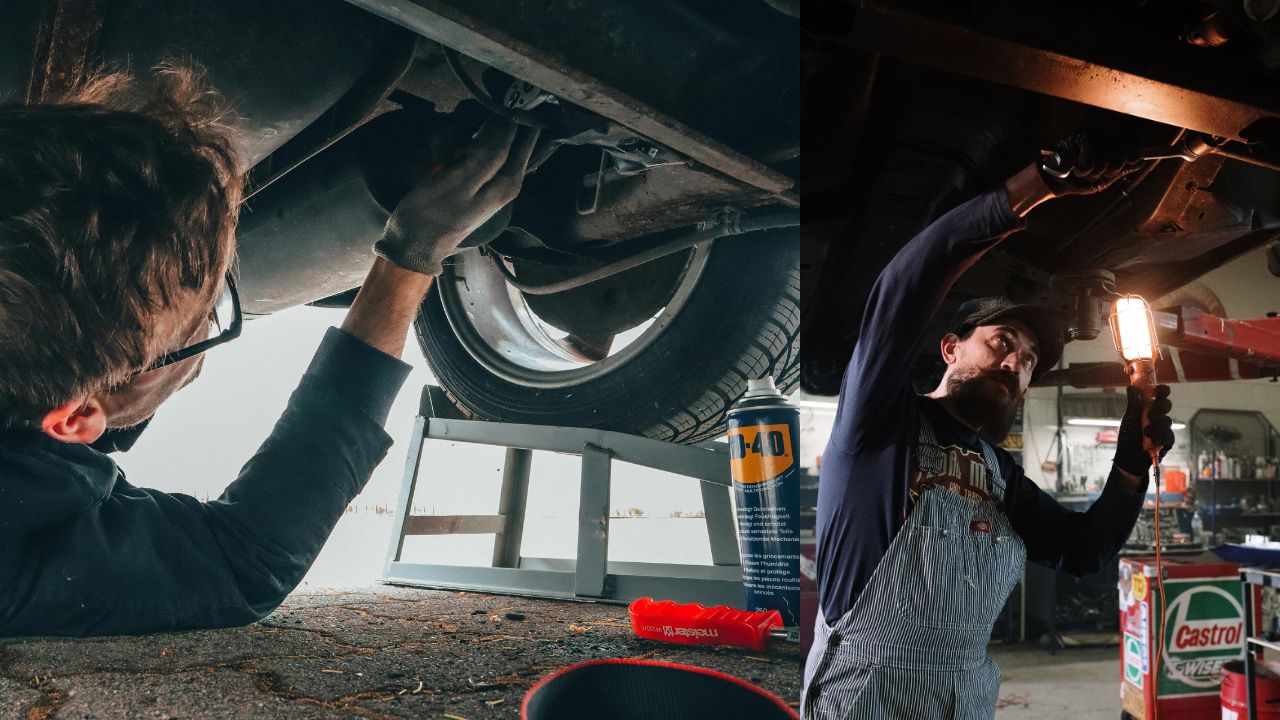
The brake system inspection involves a thorough examination of all components of the brake system to ensure proper function and safety. It is vital to regularly inspect the brake system to prevent accidents and maintain optimal performance.
By regularly examining the brake components, such as the brake pads, rotors, calipers, and brake lines, you can identify and address any issues or signs of wear before they become more significant problems.
This inspection is an essential part of vehicle maintenance and helps keep you and other road users safe. Neglecting to inspect the brake system can lead to brake failure, reduced stopping power, and increased risk of accidents. We will explore the importance of brake system inspection and provide helpful tips for inspecting your brakes effectively.
What is a brake system inspection?
The complete brake system, including the brake pedal, brake fluid, brake lines, hoses, and brake assemblies, is examined during a brake inspection. At this point, parking brakes should also be examined.
Importance of Regular Brake System Inspections
Regular brake inspections are crucial for maintaining the safety of your vehicle. By checking the brake system periodically, you can identify any potential issues and address them before they become major problems. By scheduling and performing regular brake inspections, you can prevent accidents and save money in the long run.
Neglecting regular brake inspections can expose you to potential safety risks. Here are a few key dangers that arise from neglected brake maintenance:
- Reduced stopping power: Worn-out brake pads and discs compromise your vehicle’s ability to stop efficiently, increasing the risk of accidents.
- Increased stopping distance: Brake systems that are not in optimal condition can lead to extended stopping distances, making it difficult to avoid potential hazards on the road.
- Loss of control: Failing brake components can result in an unpredictable and unstable driving experience, making it harder to maintain control of your vehicle.
- Brake fade: Continuous use of brakes without proper inspection and maintenance can cause brake fade, where the brakes become less effective due to overheating, resulting in longer stopping distances.
How Regular Inspections Can Prevent Accidents And Save Money
Regular brake inspections play a vital role in both preventing accidents and saving money. Here are the benefits of scheduling and performing regular brake inspections:
- Early detection of issues: Regular inspections allow trained professionals to identify potential brake problems early on, enabling timely repairs or replacements. This can prevent further damage to the brake system and potential accidents.
- Enhanced safety: By ensuring that your brake system is in optimal condition, regular inspections help maintain reliable stopping power and decrease the risk of accidents caused by brake failure.
- Cost-effective maintenance: Investing in routine brake inspections is a cost-effective approach compared to expensive repairs resulting from neglected maintenance. Identifying and resolving minor issues in their early stages can help you avoid more substantial expenses down the line.
- Extended brake system lifespan: Regular brake inspections help maximize the lifespan of your brake system by addressing minor issues promptly and preventing them from escalating into major problems. This, in turn, reduces the need for premature brake component replacements.
Regular brake inspections are of utmost importance to ensure safety, prevent accidents, and save money. Neglecting brake maintenance can lead to safety risks and costly repairs.
Brake system inspection: General practice
Generally, it is advised to check your brake system at least once each year. This enables a thorough assessment of all brake parts, such as pads, rotors, calipers, and brake fluid.
If you ask what is the best practice of brake system inspection? We say, follow the manufacturer’s guidelines.
Because, the number of times your vehicle’s brake system needs to be inspected can change depending on several factors, including the make and model of your vehicle. Therefore, manufacturers often provide guidelines for routine maintenance. Following the manufacturer’s guidelines will help to guarantee that your car gets the maintenance it needs at the right time.
However, Here we share some common steps to inspect the brake system on your own.
Signs of Brake System Issues
Detecting any abnormal noises, decreased responsiveness, or vibrations can help prevent further damage and ensure safe driving.
If you notice any of the following signs, it is important to get your brake system inspected as soon as possible. These signs can indicate potential brake system issues that need immediate attention:
Squeaking, Squealing, or Grinding Noises:
- Squeaking, squealing, or grinding noises when you apply the brakes are a clear indication of brake system problems.
- These noises can be caused by worn brake pads, which need to be replaced. Ignoring these sounds can lead to further damage, resulting in costly repairs.
Vibrations or Pulsations When Braking:
- Feeling vibrations or pulsations when you apply the brakes can indicate problems with the brake rotors or uneven wear on the brake pads.
- These issues can affect the overall braking performance and require a thorough inspection and necessary repairs.
Longer Stopping Distances:
- If you find that it takes longer to stop your vehicle than usual, it is a warning sign to have your brake system inspected.
- This can be caused by worn brake pads or a decrease in brake fluid, reducing the effectiveness of your braking system.
Warning Lights on The Dashboard:
- The appearance of warning lights related to the brake system on your dashboard should not be ignored.
- These lights can indicate a variety of brake system issues, such as low brake fluid levels, ABS system malfunctions, or other potential problems.
Don’t hesitate to schedule a brake system inspection if you notice any of these signs.
Brake Fluid Inspection
Brake fluid inspection is an essential part of brake system maintenance. Regularly checking the fluid level and quality ensures optimal brake performance, preventing potential safety hazards on the road.
Importance of Brake Fluid In The Braking System
Brake fluid is a hydraulic fluid that operates under high temperatures and pressures. Its main functions within the braking system include:
- Transmitting hydraulic pressure: Brake fluid converts the force applied to the brake pedal into pressure, which then activates the brake components to stop the vehicle.
- Lubrication: Brake fluid lubricates the moving parts of the braking system, reducing friction and preventing premature wear.
- Corrosion prevention: Brake fluid contains additives that protect the internal components of the braking system from corrosion.
- Heat dissipation: Brake fluid helps dissipate heat generated during braking, preventing the overheating of vital brake components.
Signs of Contaminated or Degraded Brake Fluid
Over time, brake fluid can become contaminated or degraded due to various factors such as moisture absorption and heat exposure. Some signs that indicate the need for brake fluid inspection and possible replacement include:
- Dark or discolored appearance: Contaminated brake fluid may appear dark, indicating the presence of debris, dirt, or contaminants.
- Cloudy or milky appearance: In the presence of moisture, brake fluid may appear cloudy or milky, suggesting water contamination.
- Burning smell: Overheated brake fluid can emit a distinct burning odor, indicating the potential for impaired brake performance.
- Reduced braking responsiveness: Contaminated brake fluid can hamper the transfer of hydraulic pressure, resulting in decreased braking responsiveness or a soft brake pedal.
- Corrosion or damage to brake components: If brake fluid has degraded significantly, it may cause corrosion or damage to brake components, such as calipers or master cylinder.
Procedure for Checking Brake Fluid Levels And Condition
Follow this simple procedure to check your brake fluid:
- Park the vehicle on a level surface and engage the parking brake.
- Locate the brake fluid reservoir under the hood. It is typically located near the firewall on the driver’s side.
- Clean the reservoir cap thoroughly to prevent any dirt or debris from falling into the reservoir.
- Remove the cap and inspect the brake fluid level. It should be within the required range indicated on the reservoir.
- Check the condition of the brake fluid. It should have a clear or slightly amber color. If you notice any signs of contamination or degradation, it may be time to replace the brake fluid.
- If the brake fluid level is low, carefully add the appropriate brake fluid type recommended by the vehicle manufacturer. Be cautious not to overfill the reservoir.
- Securely replace the reservoir cap and ensure it is tightly sealed.
Remember, if you are unsure about the condition of your brake fluid or any part of the brake system, it’s always best to consult a professional technician who can perform a thorough inspection and address any concerns.
Brake Pad And Rotor Inspection
Inspecting your car’s brake pads and rotors is an important part of ensuring the safety and performance of your brake system. Regular inspection can help identify signs of wear and tear, allowing you to address any issues before they become serious problems.
Role of Brake Pads And Rotors In Stopping The Vehicle
Brake pads and rotors play a crucial role in ensuring your vehicle’s efficient braking system. Here’s what you need to know:
- Brake pads: They are the primary components that make direct contact with the rotors when you press the brake pedal. When you apply force, the brake pads create friction against the rotors, converting the kinetic energy into thermal energy, which ultimately slows down and stops the vehicle.
- Rotors: Also known as brake discs, rotors are flat metal discs attached to the wheels. As the brake pads come into contact with the rotors, the rotors distribute the heat produced during braking, preventing excessive overheating and damage.
Indications of Worn Brake Pads And Damaged Rotors
To ensure your vehicle’s safety on the road, it’s essential to be aware of the signs of worn brake pads and damaged rotors. Look out for the following indications:
- Squealing or squeaking noises when braking: If you hear a high-pitched sound coming from your brakes, it could be a sign that your brake pads are wearing thin and need replacement.
- Vibrations or pulsating sensation: If you feel a pulsation through the brake pedal or experience vibrations while braking, it may indicate warped or unevenly worn brake rotors that require attention.
- Reduced braking performance: If you notice it takes longer than usual for your vehicle to come to a stop or if you need to apply excessive force on the brake pedal, it could be due to worn brake pads or damaged rotors.
- Visual inspection: Ensure to visually inspect your brake pads and rotors regularly. If the brake pads appear less than 3 mm thick or if you notice deep grooves, cracks, or discoloration on the rotors, immediate replacement is necessary.
Steps for Visually Inspecting Brake Pads And Rotors
Performing a visual inspection of your brake pads and rotors is relatively straightforward. Follow these simple steps to assess their condition:
- Park your vehicle on a level surface and engage the parking brake for added safety.
- Remove the wheels to gain access to the brake assembly.
- Examine the brake pads for wear:
- Look through the wheel spokes to see the brake pad material.
- If the brake pad’s thickness is less than a quarter of an inch, it’s time to replace them.
- Ensure that the brake pads are wearing evenly from the outer to the inner edge.
- Inspect the rotors for any signs of damage:
- Check for grooves, cracks, or deep scoring on the rotor surface.
- Ensure that the rotor’s surface is smooth and not discolored or overheated-looking.
- Reinstall the wheels and repeat the same process for the remaining wheels.
If you notice any signs of wear or damage, consult a professional mechanic for necessary repairs or replacements.
Brake Line And Hose Inspection
Inspecting the brake lines and hoses is essential for a thorough brake system inspection. Regular evaluation ensures their integrity, preventing potential leaks and ensuring optimal braking performance.
Function of Brake Lines And Hoses In Transferring Brake Fluid
Brake lines and hoses play a crucial role in the braking system of your vehicle, as they are responsible for transferring brake fluid. This fluid is essential for creating the hydraulic pressure needed to activate the brakes. Here’s a breakdown of the main functions of brake lines and hoses:
- Transmitting hydraulic pressure: When you press down on the brake pedal, the force is transferred to the brake lines and hoses. They transmit this hydraulic pressure to the brake calipers or wheel cylinders, which then squeeze the brake pads or shoes against the rotors or drums.
- Distributing brake fluid: Brake lines and hoses distribute the brake fluid evenly throughout the braking system. This ensures that each brake receives an adequate amount of fluid to operate efficiently.
- Flexibility and durability: Brake hoses, which connect the rigid brake lines to the brake calipers or wheel cylinders, provide flexibility. They can withstand the constant pressure changes and vibrations that occur during braking. Meanwhile, the brake lines, typically made of steel or other durable materials, offer strength and rigidity to safely contain the pressurized brake fluid.
- Heat dissipation: Brake lines and hoses also play a role in dissipating heat generated during braking. The movement of the brake fluid through them helps to carry away excess heat, preventing the brake system from overheating.
- Corrosion resistance: Brake lines and hoses are designed to withstand corrosion caused by exposure to brake fluid and other elements, ensuring a long service life for your braking system.
Symptoms of Leaking or Damaged Brake Lines And Hoses
Detecting any issues with your brake lines and hoses is essential for maintaining the safety and performance of your vehicle. Here are some common symptoms that can indicate leaking or damaged brake lines and hoses:
- Brake fluid leaks: Any visible signs of brake fluid leaking from the lines or hoses are a clear indication of a problem. Puddles or drips of fluid under the vehicle, especially near the wheels or along the brake lines, should be addressed immediately.
- Soft or spongy brake pedal: If you notice that the brake pedal feels excessively soft or spongy when you apply pressure, it could be due to a brake fluid leak. Air might enter the braking system, affecting its performance and responsiveness.
- Reduced braking power: Leaking or damaged brake lines and hoses can lead to a decrease in braking power. You may experience longer braking distances, and it may become more challenging to bring your vehicle to a complete stop.
- Visible damage: Inspect the brake lines and hoses for any visible signs of damage, such as cracks, bulges, or abrasions. These can compromise the integrity of the system and should be addressed promptly.
- Brake warning light: If the brake warning light on your vehicle’s dashboard illuminates, it could indicate a problem with the brake system, including the lines and hoses. It’s crucial to have the system inspected immediately.
Thorough Examination of Brake Lines And Hoses
Performing a thorough inspection of your brake lines and hoses is crucial to ensure optimal function and safety. Here’s a step-by-step guide to help you inspect them effectively:
- Visual inspection: Check the brake lines and hoses for any signs of damage, such as cracks, wear, or corrosion. Look closely at the connections, where leaks are more likely to occur.
- Physical examination: Run your fingers along the lines and hoses, feeling for any abnormalities like bulges or soft spots. These can indicate internal damage and potential leaks.
- Secure mounting: Ensure that the brake lines and hoses are securely fastened to prevent any movement or rubbing against other components. Loose or improperly mounted lines can lead to premature wear or damage.
- Brake fluid leaks: Look for any signs of brake fluid leaks, including wet spots, drips, or stains. Pay close attention to the fittings, connections, and areas where the lines pass near the wheels.
- Flexibility and integrity: Gently bend the brake hoses to check for excessive stiffness or brittleness. They should be pliable without any visible cracks or damage.
- Professional inspection: If you’re unsure about the condition of your brake lines and hoses, it’s always advisable to have a professional mechanic inspect them. They have the expertise and equipment to identify any potential issues that may not be apparent during a visual inspection.
By regularly inspecting your brake lines and hoses and addressing any problems promptly, you can ensure the effective operation of your braking system and maintain your safety on the road.
Brake Caliper Inspection
Inspecting the brake calipers is an essential part of brake system inspection. Ensuring their proper functioning helps maintain optimal brake performance and safety on the road.
As part of a complete brake system inspection, it is important to pay close attention to the condition of your brake calipers
Purpose of Brake Calipers in Squeezing The Brake Pads Against The Rotors:
- Brake calipers serve a vital function in the braking system by squeezing the brake pads against the rotors when you apply the brakes. This action creates friction, ultimately causing the vehicle to slow down and stop.
- By exerting pressure on the brake pads, the caliper allows for the effective transfer of force from the brake pedal to the wheels, resulting in smooth and controlled braking.
- Brake calipers also house the pistons and brake pads, ensuring their proper alignment and movement for optimal braking performance.
Common Problems with Brake Calipers:
Brake calipers, like any other component of the braking system, can experience issues that affect their functionality and safety. Here are some common problems associated with brake calipers
- Sticking caliper: Over time, brake calipers can become sticky or seize up due to dirt, rust, or heat. This can lead to uneven braking, excessive wear on the brake pads, and potential damage to the caliper itself.
- Leaking caliper: Brake calipers rely on hydraulic pressure to function properly. If the caliper develops leaks, it can compromise the hydraulic system, resulting in reduced braking power and potential brake failure.
- Worn or damaged caliper components: The caliper pistons, seals, and slide pins can wear out or become damaged due to age, excessive heat, or lack of maintenance. This can lead to uneven brake pad wear, poor braking performance, and potential brake failure.
Visual Inspection And Testing Of Brake Calipers:
Performing a thorough visual inspection and testing of brake calipers is crucial to ensure their proper functioning. Here are the steps involved:
- Visual inspection: Begin by visually inspecting the brake calipers for any signs of damage, leaks, or excessive wear. Look for fluid leaks around the caliper, uneven brake pad wear, and any visible damage to the caliper housing.
- Piston and slide pin inspection: Check the caliper pistons and slide pins for smooth movement. They should move freely without any sticking or binding. Additionally, inspect the piston dust boots for any signs of damage or deterioration.
- Brake pad clearance: Measure the clearance between the brake pads and rotor to ensure it falls within the manufacturer’s specifications. Excessive or uneven clearance can indicate caliper issues.
- Brake fluid examination: Inspect the brake fluid for any signs of contamination or moisture. Contaminated or moisture-laden brake fluid can affect the caliper’s performance.
- Functional testing: Finally, perform a functional test by applying the brakes and checking for proper engagement and smooth operation. Listen for any abnormal noises or vibrations during braking.
If you notice any signs of brake caliper issues or have concerns about the condition of your braking system, it is important to have your vehicle inspected by a qualified automotive professional.
Parking Brake Inspection
Parking brake inspection is a crucial part of brake system maintenance, ensuring optimal performance and safety. Regular checks help identify any issues that may arise and prevent potential hazards on the road.
Importance of Properly Functioning Parking Brake
- Prevents unintentional vehicle movement: The parking brake, also known as the handbrake or emergency brake, is designed to prevent your vehicle from rolling when parked. It acts as an extra layer of security, especially on inclines or uneven surfaces.
- Compliance with legal requirements: Many countries and states have laws mandating the use of parking brakes when parking and leaving a vehicle unattended. Ensuring your parking brake is in good working order helps you comply with these regulations and avoids potential fines.
- Protects transmission: If you habitually rely solely on the transmission’s “Park” setting to keep your vehicle stationary, it puts unnecessary stress on the transmission’s internal components. Using the parking brake reduces this stress and prolongs the life of your transmission.
Testing And Inspecting The Parking Brake System
To ensure that your parking brake is functioning as intended, it is important to regularly test and inspect the system. Here are a few steps to follow:
- Visual inspection: Start by visually inspecting the parking brake mechanism for any signs of damage, such as frayed cables or worn brake shoes. Look for rust or corrosion on the components as well.
- Check cable tension: Engage the parking brake and ensure that the cable has sufficient tension. If there is excessive slack or the lever moves too easily without resistance, it may be an indication of a loose or broken cable that needs to be adjusted or replaced.
- Test on a flat surface: Find a level surface and engage the parking brake. Attempt to move the vehicle by releasing the main brake pedal. The vehicle should not move, indicating that the parking brake is holding the vehicle in place.
- Seek professional help if needed: If you encounter any issues during your inspection or testing, it is best to consult a qualified mechanic who can diagnose and address the problem accordingly.
Adjusting or Repairing The Parking Brake Mechanism
Over time, the parking brake mechanism may require adjustments or repairs to ensure optimal performance. Here are some potential steps involved in this process:
- Cable adjustment: If the parking brake lever feels loose or doesn’t engage fully, it may need cable adjustment. A professional mechanic can adjust the tension in the cable to ensure proper functionality.
- Brake shoe replacement: When the parking brake shoes are worn out or damaged, they should be replaced promptly. This involves removing the old shoes, inspecting the drum for any damage, and installing new brake shoes.
- Brake cable replacement: If the parking brake cable is frayed, corroded, or otherwise damaged, it may need to be replaced entirely. A new cable will restore the parking brake’s ability to securely hold the vehicle in place.
Anti-Lock Brake System (Abs) Inspection
Ensure the optimal performance of your brake system with an Anti-lock Brake System (ABS) inspection. This comprehensive assessment helps detect any issues and ensures your ABS is functioning effectively, keeping you safe on the road. Trust the experts to thoroughly inspect your brake system for peace of mind.
Role of Abs In Preventing Wheel Lock-Up During Braking
The Anti-lock Brake System (ABS) plays a crucial role in vehicle safety by preventing wheel lock-up during braking. Here’s what you need to know about the ABS and its importance:
- ABS helps maintain steering control and stability during emergency braking situations.
- It prevents the wheels from locking up, allowing the driver to steer the vehicle while applying maximum brake force.
- By controlling brake pressure to individual wheels, ABS optimizes braking performance, especially on slippery or uneven surfaces.
- ABS reduces the risk of skidding, which can be particularly dangerous during sudden stops or when maneuvering around obstacles.
- It enhances overall braking efficiency, reducing the stopping distance and minimizing the likelihood of accidents.
Diagnostic And Functional Checks For The Abs System
Regular inspection and maintenance of the ABS system are crucial to ensure its proper functioning. Here are the diagnostic and functional checks that should be performed:
- Visual Inspection: Check for any visible signs of damage or leaks in the ABS components, including the sensors, wiring, and hydraulic lines.
- Sensor Inspection: Verify that all ABS sensors are securely mounted and free from dirt or debris that could interfere with their operation. Clean or replace as necessary.
- Wheel Speed Sensor Test: Test the wheel speed sensors using a diagnostic tool to detect any irregularities or malfunctioning sensors.
- Hydraulic System Test: Perform a hydraulic system test to ensure proper fluid pressure and operation of the ABS valves and pumps.
- Road Test: Take the vehicle for a test drive to evaluate the ABS functionality under different braking conditions, checking for any unusual noises, vibrations, or warning lights.
Addressing Abs Warning Lights or Malfunctions
When the ABS warning light illuminates or malfunctions occur, it’s important to address them promptly. Here’s how to handle ABS warning lights or malfunctions:
- Check the ABS Fuse: Verify that the ABS fuse is intact and not blown. Replace if necessary.
- Inspect Wheel Speed Sensors: Clean the wheel speed sensors and make sure they are securely connected. Replace damaged or malfunctioning sensors.
- Clear Fault Codes: Use a diagnostic tool to read and clear any fault codes stored in the ABS system.
- Bleed the Brake System: If air is trapped in the ABS system, bleeding the brakes may be required to restore proper functionality.
If the ABS warning light persists or malfunctions persist, consult a qualified mechanic or technician for further inspection and repairs.
Brake System Maintenance and Repair
Regular brake system inspection helps to identify potential issues early, ensuring optimal performance and safety on the road.
By addressing any identified issues promptly, you can ensure the safety of both your vehicle and yourself. Here are some key points to consider:
Importance of Addressing Any Identified Issues Promptly:
- Safety First: Each component of your brake system plays a vital role in stopping your vehicle efficiently. Neglecting even a minor issue can compromise your safety on the road.
- Preventing Further Damage: Timely intervention can help prevent small brake problems from turning into more significant and costly repairs down the line.
- Maintaining Optimal Performance: Addressing issues promptly ensures that your brakes continue to function at their best, providing you with reliable stopping power when you need it.
Necessary Repairs, Replacements, or Adjustments:
- Brake Pad Replacement: Regular wear and tear can lead to thinning or damaged brake pads. Replace them promptly to ensure effective braking and prevent damage to other brake components.
- Rotor Resurfacing or Replacement: Over time, the rotors may develop grooves or become warped, reducing braking efficiency. Resurfacing or replacing them can restore optimal performance.
- Brake Fluid Flush: Brake fluid absorbs moisture over time, leading to corrosion within the system. A regular brake fluid flush helps maintain the integrity of the brake components.
- Caliper Servicing: Calipers can become stuck or seized due to rust or debris accumulation. Servicing or replacing them as needed ensures proper functioning.
- Brake Line Inspection: Damaged or deteriorated brake lines can lead to leaks or loss of hydraulic pressure. Regular inspection and replacement, if necessary, keep your brake system in top condition.
Regular Maintenance Practices To Extend Brake System Lifespan:
- Visual Inspection: Regularly inspect your brake system for signs of wear, damage, or leaks. Look for uneven brake pad wear, fluid leaks, or any abnormal noises or vibrations.
- Brake Pad Check: Monitor the thickness of your brake pads and replace them when they reach the manufacturer’s recommended minimum thickness to prevent damage to other brake components.
- Brake Fluid Check: Regularly check brake fluid levels and ensure it is within the recommended range. Top up or replace it if necessary, following the vehicle manufacturer’s guidelines.
- Cleanliness of Brake Components: Clean brake components, such as calipers and rotors, during routine maintenance to remove debris or rust that may affect their performance.
- Regular Brake System Service: Schedule periodic brake system inspections and maintenance with a qualified mechanic to ensure everything is in proper working order.
So, make it a priority to stay on top of brake system maintenance and enjoy peace of mind on the road.
Conclusion
The brake system is an essential component of any vehicle and must be regularly inspected to ensure optimal safety on the road. By conducting routine inspections, you can identify any potential issues before they escalate into major problems.
Regular maintenance not only extends the lifespan of your brakes but also increases their efficiency, reducing the risk of sudden brake failure. Furthermore, staying up to date with brake system inspections can give you peace of mind while driving, knowing that your vehicle is equipped with a reliable braking system.